
Mold in Apartments and Rental Properties
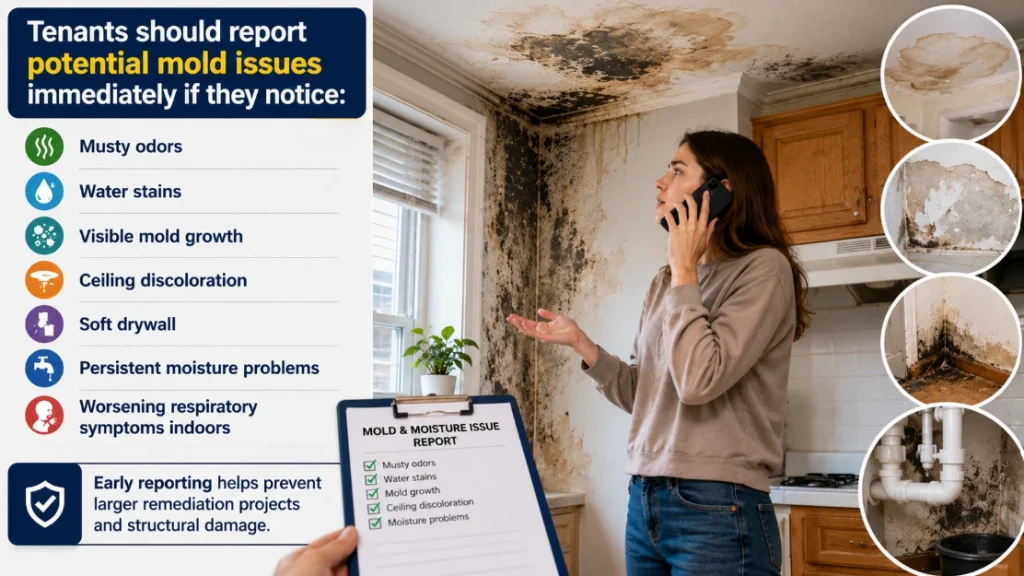
Mold in Apartments and Rental Properties Mold in apartments and rental properties is commonly caused by moisture problems such as leaks, humidity buildup, poor ventilation, condensation, and water damage. Because multiple units often share walls, plumbing systems, and ventilation pathways, mold can spread more easily in apartment buildings than in single family homes. In Ann […]
Can Mold Grow Inside Air Ducts?
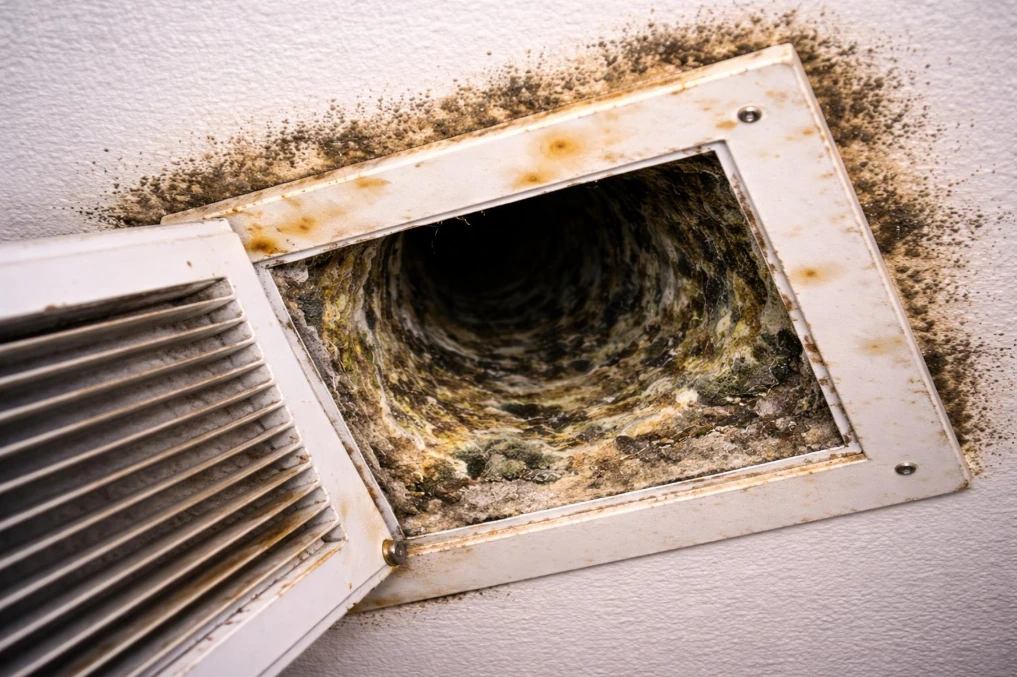
Can Mold Grow Inside Air Ducts? Yes, mold can grow inside air ducts when moisture, humidity, dust, and poor ventilation create damp conditions inside an HVAC system. Air ducts often contain dust particles and organic debris that mold spores use as a food source. When condensation or hidden moisture develops inside ductwork, mold can spread […]
HVAC Mold Contamination Warning Signs
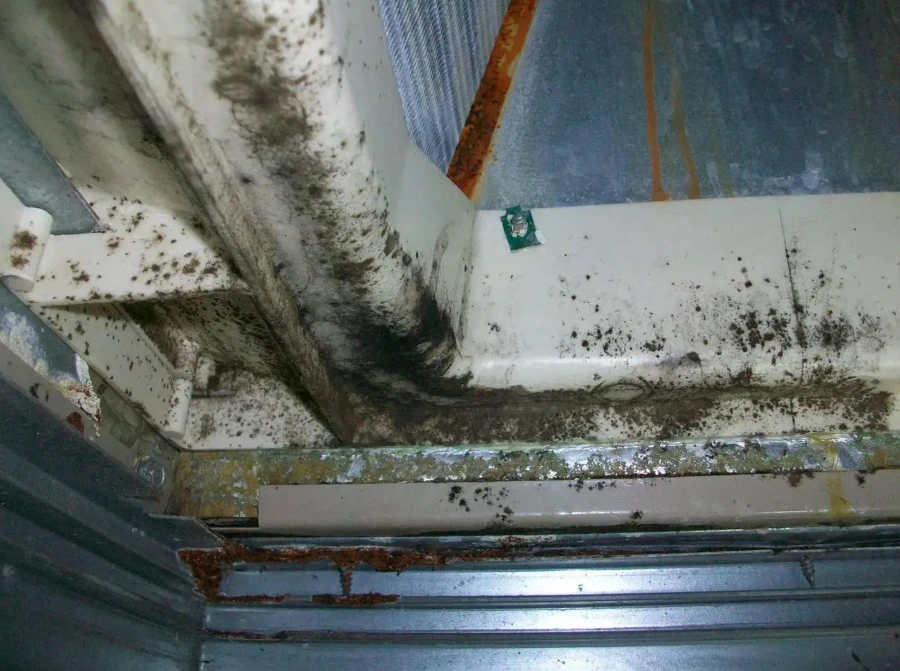
HVAC Mold Contamination Warning Signs HVAC mold contamination usually develops when moisture builds up inside air ducts, evaporator coils, drain pans, insulation, or ventilation systems. Because HVAC systems continuously circulate air throughout a property, hidden mold contamination can quickly spread spores into multiple rooms and reduce indoor air quality. In Ann Arbor and nearby areas […]
Ceiling Mold After Roof Leaks
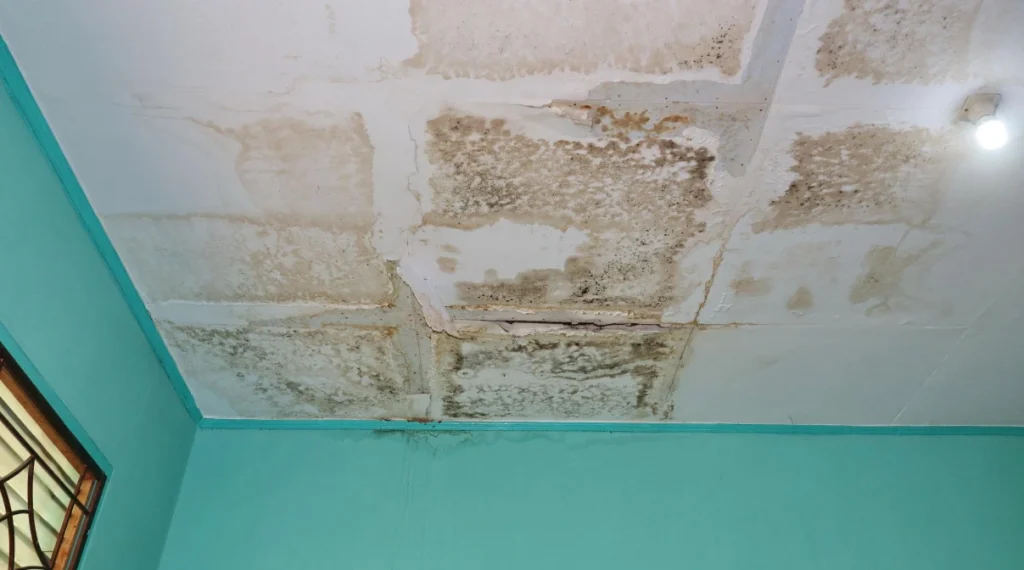
Ceiling Mold After Roof Leaks Ceiling mold after roof leaks is usually caused by moisture becoming trapped inside ceilings, attic insulation, drywall, or structural materials after water intrusion. Even a small roof leak can create damp conditions that allow mold to grow rapidly behind surfaces long before visible damage appears. In Ann Arbor and nearby […]
Kitchen Mold Removal and Moisture Control
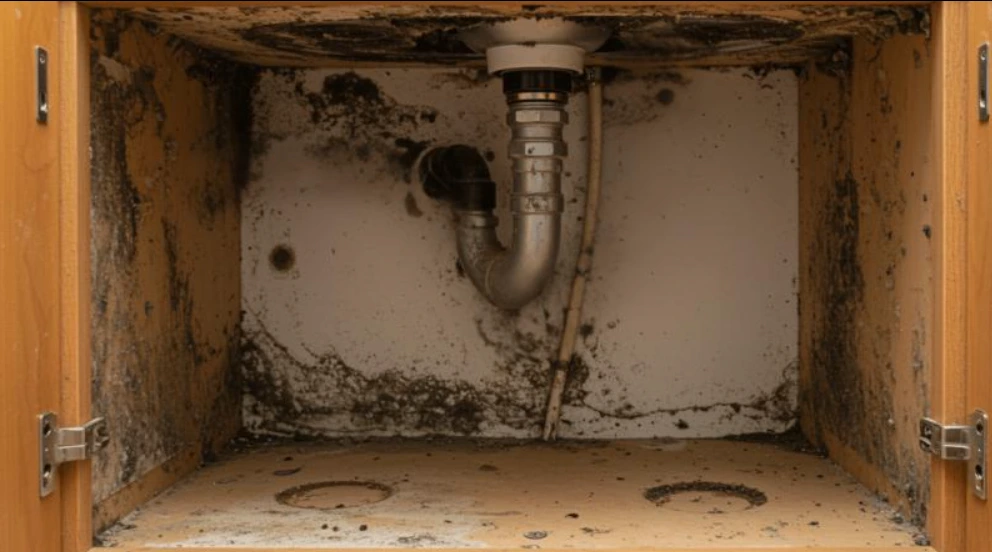
Kitchen Mold Removal and Moisture Control Kitchen mold removal starts with identifying excess moisture, hidden leaks, poor ventilation, and humidity buildup inside the home. Kitchens naturally produce steam, condensation, and water exposure from sinks, cooking, dishwashers, and plumbing systems, making them one of the most common areas for indoor mold growth. In Ann Arbor and […]
What Causes Mold in Bathrooms?
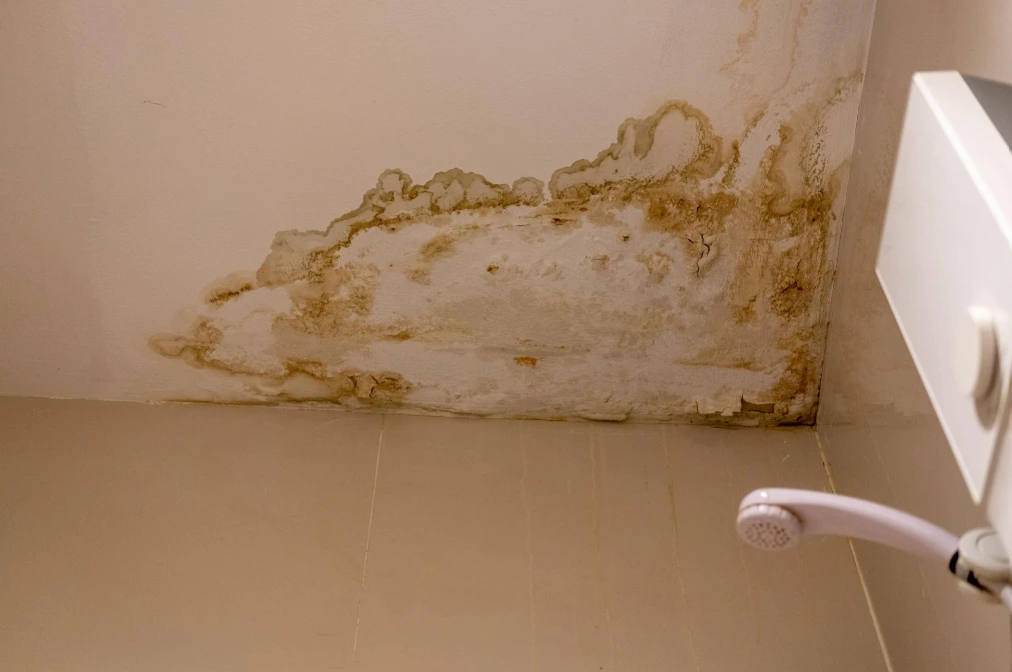
What Causes Mold in Bathrooms? Bathroom mold is usually caused by excess moisture, poor ventilation, humidity buildup, and water remaining on surfaces for long periods. Bathrooms naturally create warm and damp conditions from showers, sinks, and steam, making them one of the most common places for mold growth inside homes. In Ann Arbor and nearby […]
Mold Prevention Tips for Ann Arbor Homeowners
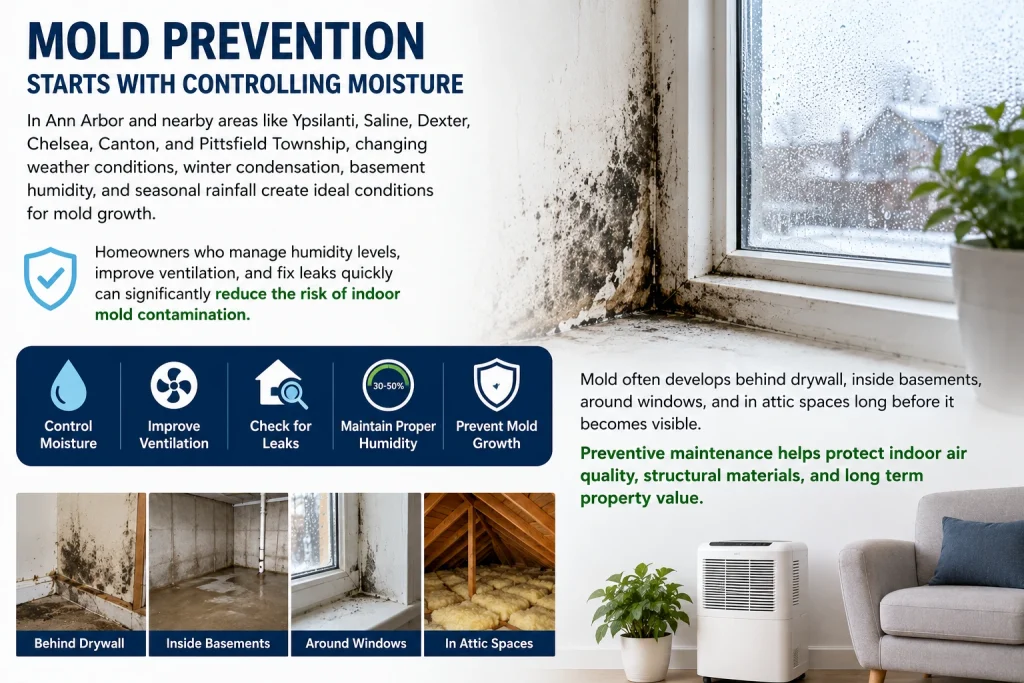
Mold Prevention Tips for Ann Arbor Homeowners Mold prevention starts with controlling moisture inside your home. In Ann Arbor and nearby areas like Ypsilanti, Saline, Dexter, Chelsea, Canton, and Pittsfield Township, changing weather conditions, winter condensation, basement humidity, and seasonal rainfall create ideal conditions for mold growth. Homeowners who manage humidity levels, improve ventilation, and […]
Winter Condensation and Mold Problems in Michigan
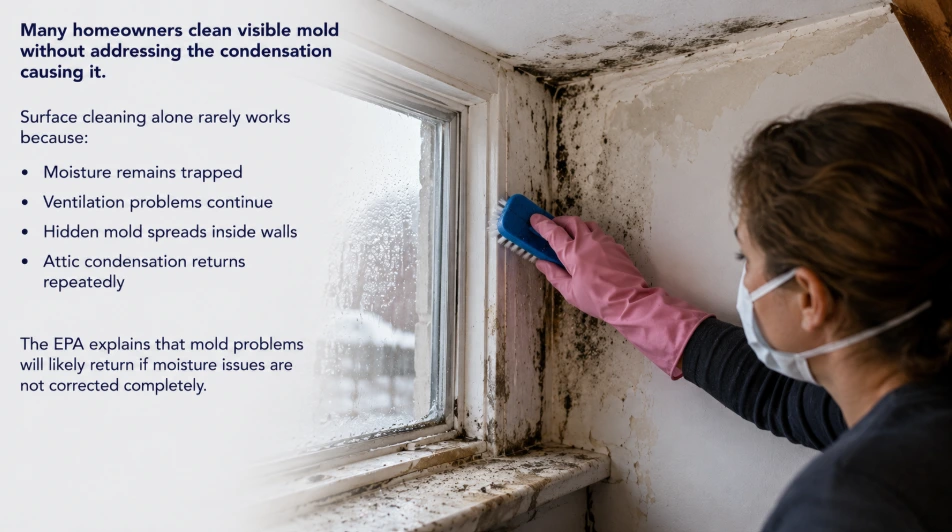
Winter Condensation and Mold Problems in Michigan Winter condensation is one of the leading causes of indoor mold problems in Michigan homes. When warm indoor air meets cold surfaces like windows, attic spaces, exterior walls, or poorly insulated ceilings, moisture forms through condensation. Over time, this trapped moisture creates ideal conditions for mold growth behind […]
How Humidity Causes Mold Growth Indoors
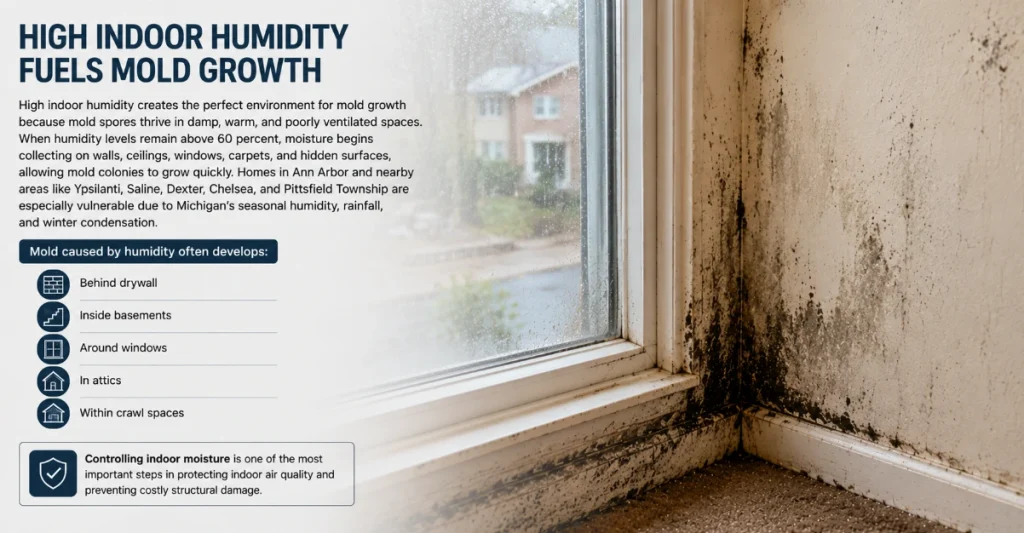
How Humidity Causes Mold Growth Indoors High indoor humidity creates the perfect environment for mold growth because mold spores thrive in damp, warm, and poorly ventilated spaces. When humidity levels remain above 60 percent, moisture begins collecting on walls, ceilings, windows, carpets, and hidden surfaces, allowing mold colonies to grow quickly. Homes in Ann Arbor […]
University Housing Mold Problems Near UMich
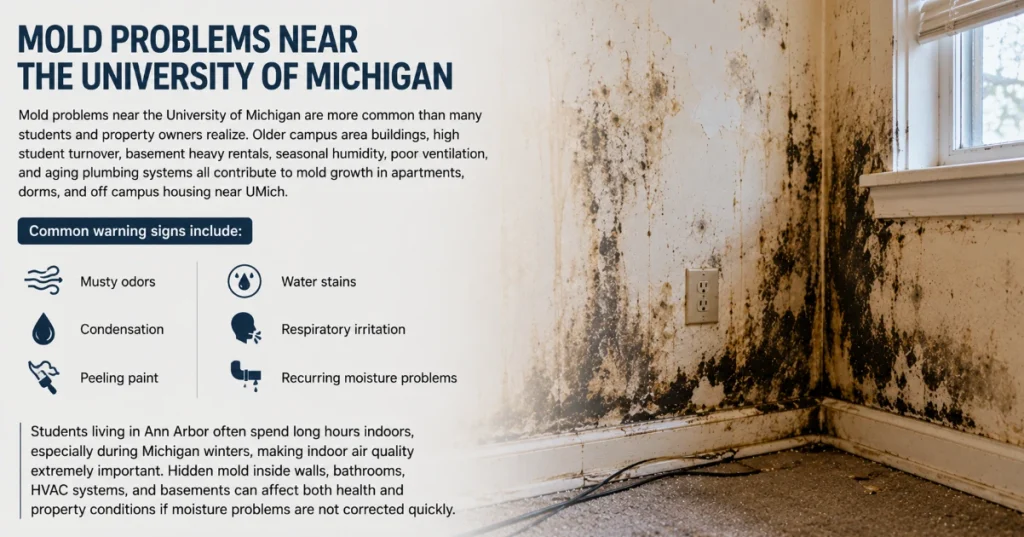
University Housing Mold Problems Near UMich Mold problems near the University of Michigan are more common than many students and property owners realize. Older campus area buildings, high student turnover, basement heavy rentals, seasonal humidity, poor ventilation, and aging plumbing systems all contribute to mold growth in apartments, dorms, and off campus housing near UMich. […]