
Mold Removal & Remediation Scio Township
Professional Mold Inspection, Crawl Space & Basement Moisture Solutions
Safeguard your home in Scio Township with specialized mold remediation services built for the township’s rural landscape, variable soil drainage, and mixed residential construction styles.Unlike densely urban areas, mold issues in Scio Township are often influenced by land grading, groundwater flow, and property layout, which can lead to moisture accumulation in less obvious areas like crawl spaces, lower-level foundations, and ventilation systems.Our team delivers precision-based mold inspection, targeted remediation, and environmental moisture correction, ensuring your property remains structurally sound and your indoor air stays healthy.

10+ Years Experience
Delivering expert mold removal and remediation services in Scio Township Michigan for over a decade. We ensure long-lasting results for homes and businesses.

Licensed & Trusted
Providing certified mold removal services in Scio Township Michigan with full compliance and care. We ensure safe, effective results for homes and commercial Mold removal.

Mold Removal Experts
Offering professional mold remediation services in ScioTownship Michigan with advanced methods and tools. We ensure safe and lasting results for homes and commercia; properties.
Why Mold Develops in Scio Township Homes

Mold growth here is not just about humidity—it’s driven by a combination of terrain, soil composition, and building placement. Mixed clay and silty soils slow water absorption, while sloped and semi-rural lots create uneven water runoff patterns. Properties near open land may experience higher groundwater retention, and seasonal thaw cycles increase soil expansion along with moisture movement.
Homes across ZIP zones 48103, 48130, and nearby Ann Arbor outskirts often include split-level and custom homes built on graded land, crawl spaces instead of full basements in some properties, hybrid construction using concrete and wood framing, and ventilation inconsistencies in older or custom builds.
Crawl spaces often develop mold due to limited airflow, lower-level walls are affected when they stay in contact with soil, subflooring above damp ground can trap moisture, and attic corners may experience condensation imbalance. These patterns require location-specific remediation rather than generic mold removal.
Mold Remediation Services in Scio Township
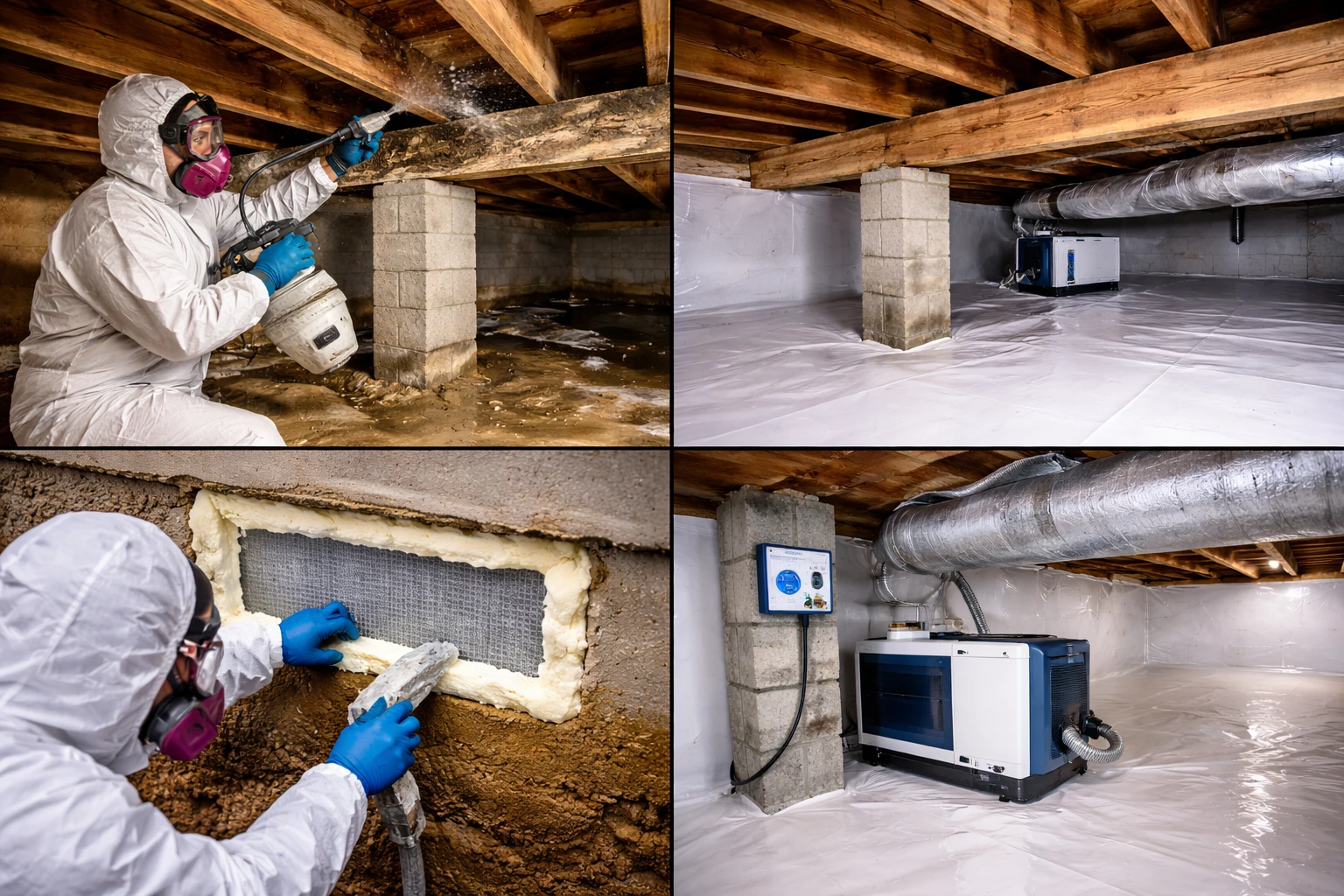
Crawl Space Mold Treatment
In Scio Township, crawl spaces are a major mold hotspot due to ground moisture and airflow limitations. We provide: Mold removal from joists and subflooring, Moisture barrier installation, Air sealing and humidity control Designed for homes built on uneven or rural terrain
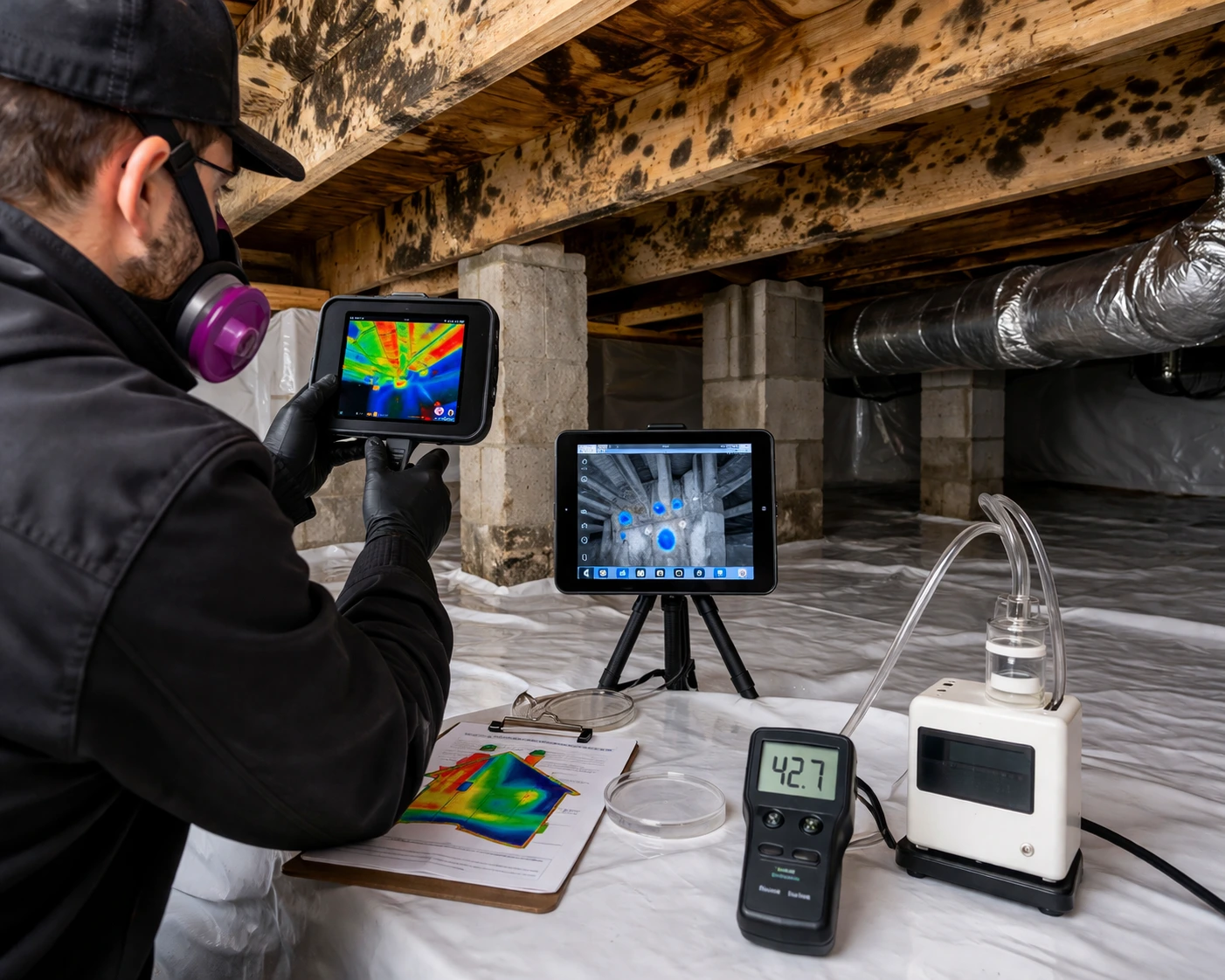
Advanced Mold Inspection & Detection
Mold is often hidden in structural layers or airflow systems. Our inspection includes: Deep moisture scanning, Indoor air sampling, Structural condition analysis Helps uncover mold that standard inspections miss
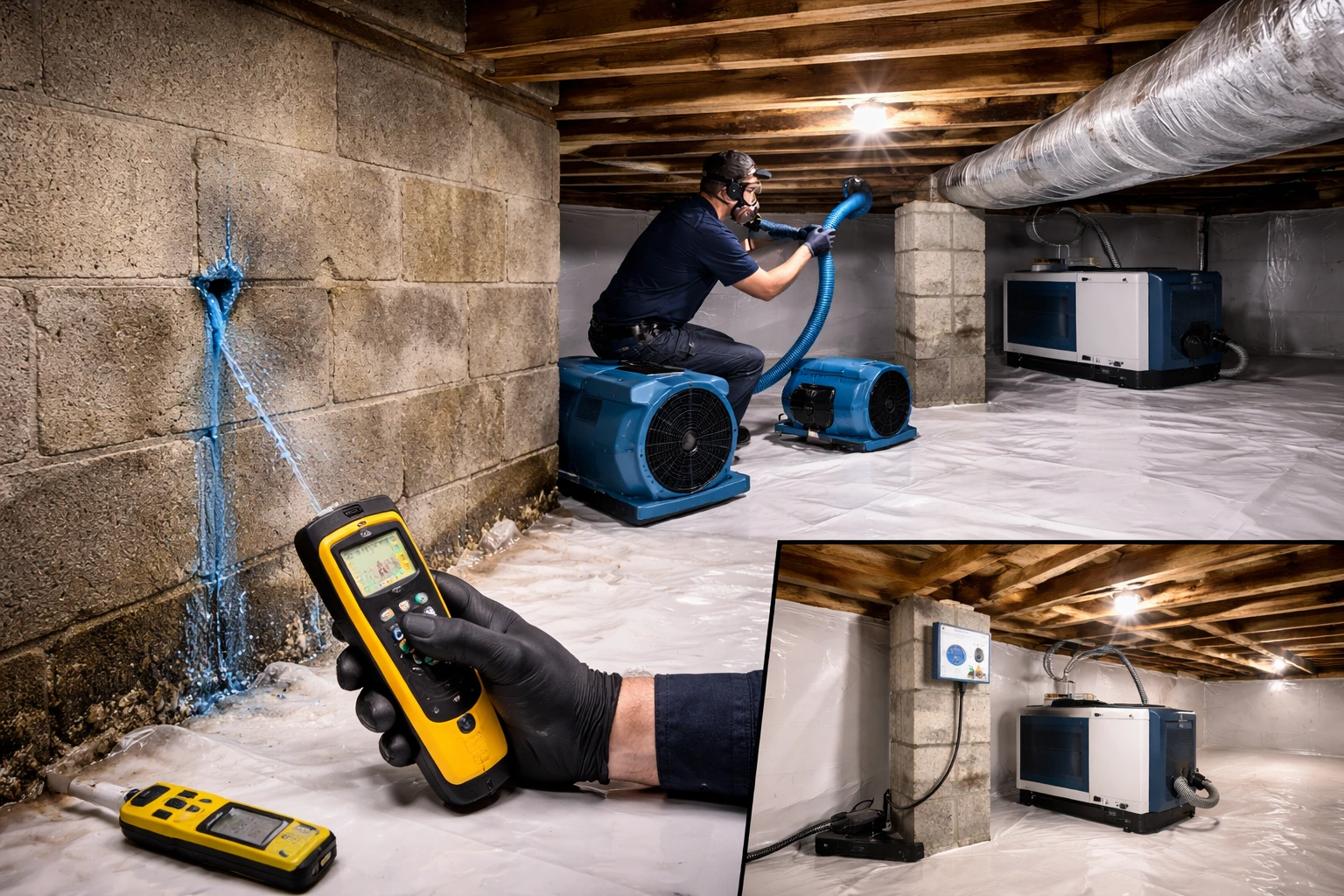
Moisture Intrusion & Water Damage Solutions
Instead of just reacting to mold, we address why it forms. Services include: Water intrusion tracking, Drying of structural components, Long-term humidity stabilization Prevents repeated mold outbreaks
Our Scio Township Remediation Strategy
What Makes Our Service Different in Scio Township
We account for land slope, soil retention, and drainage flow—not just indoor symptoms.
✔ Terrain-Aware Mold Remediation
✔ Focus on Crawl Spaces & Structural Layers
✔ Balanced Airflow & Moisture Control
✔ Designed for Rural & Semi-Rural Properties
✔ Fast, Targeted Response
We act quickly while maintaining precision—reducing both damage and downtime.

Nearby Service Coverage in Scio Township
We also provide tailored mold solutions in surrounding areas:
- Ann Arbor – Urban moisture and basement conditions
- Dexter – Crawl space and condensation challenges
- Saline – Clay soil and foundation seepage
- Ypsilanti – Older structures with ventilation issues
Pittsfield Township – Suburban moisture retention concerns
Frequently Asked Questions
A persistent musty smell usually means mold is growing in hidden areas like crawl spaces, subflooring, or behind drywall. Cleaning surfaces won’t fix it because the moisture source is still active, allowing mold to continue growing internally
Mold is common in both. Newer homes often have tight insulation and low airflow, which traps humidity, while older homes may have foundation cracks or ventilation issues. Mold only needs moisture—not age—to grow.
Mold returns when moisture problems aren’t fixed. In Scio Township, this is often due to poor yard grading, water pooling near the foundation, and high humidity in crawl spaces. Mold will continue to grow as long as moisture exists.
If mold is visible or there’s a strong odor, testing is usually unnecessary. Experts recommend focusing on removal and fixing the moisture issue, since testing doesn’t always change the solution. Testing is helpful for hidden mold, real estate transactions, and health-related concerns.
Mold can begin growing within 24–48 hours after moisture exposure, especially in humid or poorly ventilated areas. That’s why fast drying is critical after leaks or flooding.
For small, contained areas, yes. But for larger contamination—especially in crawl spaces or HVAC systems—it’s safer to limit exposure, as mold can affect air quality and cause respiratory irritation.
Crawl spaces in Scio Township often sit above moist soil with poor airflow, allowing humidity to build up underneath the home. This creates an ideal environment for mold growth in floor joists, subflooring, and insulation.
Small surface mold can sometimes be cleaned, but hidden or structural mold should be handled professionally. DIY attempts can spread spores and miss the root cause, making the problem worse.
Musty or earthy odor, peeling paint or bubbling drywall, damp or soft surfaces, and increased allergies or breathing issues usually indicate mold inside walls or under flooring—not just on surfaces.
Costs vary widely depending on severity. Small areas range from $500–$1,500, moderate issues from $1,500–$4,000, and large structural problems can exceed $5,000+. Costs increase if crawl spaces, insulation, or structural materials are involved.