
What Causes Mold in Bathrooms?
Bathroom mold is usually caused by excess moisture, poor ventilation, humidity buildup, and water remaining on surfaces for long periods. Bathrooms naturally create warm and damp conditions from showers, sinks, and steam, making them one of the most common places for mold growth inside homes. In Ann Arbor and nearby areas like Ypsilanti, Saline, Dexter, Chelsea, Canton, and Pittsfield Township, seasonal humidity and winter condensation can make bathroom mold problems even worse that causes you need even bathroom remodeling in Santa Rosa.
Mold often develops on ceilings, around bathtubs, inside grout lines, beneath sinks, and behind drywall long before homeowners notice visible discoloration. Controlling moisture and improving airflow are the most important steps for preventing mold inside bathrooms.

Why Bathrooms Are Highly Vulnerable to Mold
Bathrooms create constant moisture every day.
Steam from hot showers increases humidity levels quickly, especially in small bathrooms with limited airflow. When moisture remains trapped, mold spores begin growing on damp surfaces.
Mold commonly develops on:
- Tile grout
- Ceiling corners
- Bathroom walls
- Shower curtains
- Caulking
- Exhaust vents
- Under sinks
- Around toilets
Homes throughout Ann Arbor and older Michigan neighborhoods often experience bathroom mold because many bathrooms lack proper ventilation systems.
Poor Ventilation Is One of the Biggest Causes
One of the leading causes of bathroom mold is poor airflow.
Without ventilation, steam remains trapped indoors and condensation forms on walls, mirrors, ceilings, and windows.
Signs of poor bathroom ventilation include:
- Fogged mirrors lasting long after showers
- Damp walls
- Condensation on windows
- Musty odors
- Peeling paint
- Ceiling discoloration
Many older homes in Dexter, Chelsea, and Ypsilanti were built before modern bathroom ventilation standards existed.
Humidity Creates Ideal Mold Conditions
High indoor humidity allows moisture to remain on bathroom surfaces for extended periods.
Bathrooms become even more vulnerable during:
- Humid Michigan summers
- Freezing winters
- Seasonal rainfall
- Poor indoor airflow conditions
Homes near the University of Michigan and older residential areas in Ann Arbor frequently experience elevated humidity levels that contribute to bathroom mold growth.
Leaking Plumbing Can Trigger Hidden Mold
Small plumbing leaks often create hidden mold problems behind walls and beneath flooring.
Common leak sources include:
- Sink pipes
- Toilet seals
- Shower plumbing
- Bathtub drains
- Water supply lines
Because these leaks are often hidden, mold can spread behind drywall long before visible signs appear.
Condensation on Bathroom Surfaces
Warm moist air meeting cooler bathroom surfaces creates condensation.
This moisture often collects on:
- Windows
- Ceiling corners
- Tile walls
- Mirrors
- Exterior facing walls
During Michigan winters, bathroom condensation problems become more severe because cold outdoor temperatures increase moisture buildup indoors.
Mold Often Grows Behind Bathroom Walls
Many homeowners only clean visible mold while hidden contamination continues spreading behind surfaces.
Mold commonly develops behind:
- Drywall
- Tile backing
- Vanities
- Wallpaper
- Bathroom cabinets
Hidden moisture behind walls can eventually cause structural damage and indoor air quality problems.
Common Signs of Bathroom Mold
Bathroom mold is not always immediately visible.
Homeowners should watch for:
- Persistent musty odors
- Black spots around grout or ceilings
- Peeling paint
- Bubbling drywall
- Water stains
- Soft walls
- Excess condensation
- Allergy symptoms indoors
Many people living in moisture affected homes report worsening respiratory irritation when humidity remains elevated indoors.
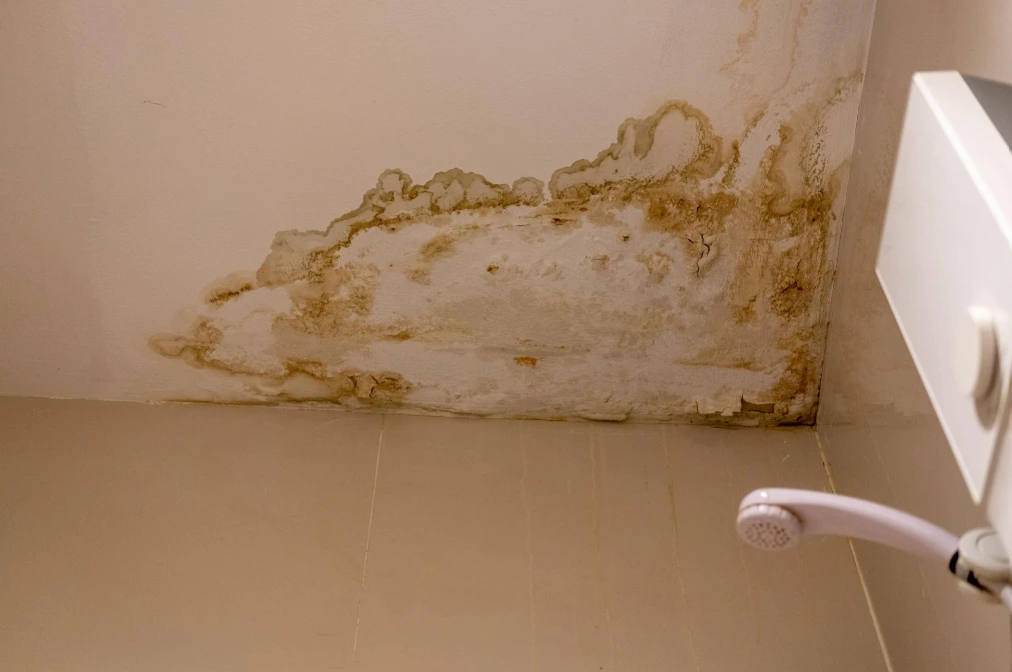
Why Ceiling Mold Develops in Bathrooms
Bathroom ceilings often trap rising steam from showers.
Without proper exhaust ventilation, moisture settles on ceiling surfaces and allows mold colonies to spread.
Ceiling mold is especially common in:
- Small bathrooms
- Windowless bathrooms
- Older homes
- Bathrooms without exhaust fans
Homes throughout Canton and Saline frequently experience ceiling condensation during winter months.
Grout and Caulking Trap Moisture
Tile grout and bathroom caulking absorb moisture over time.
When surfaces remain damp repeatedly, mold begins growing in tiny cracks and porous materials.
Old grout and damaged caulking often become breeding grounds for:
- Black mold discoloration
- Mildew buildup
- Bacterial growth
- Persistent odors
Regular sealing and maintenance help reduce moisture absorption.
Why Bathroom Mold Affects Indoor Air Quality
Bathroom mold can impact indoor air quality by releasing airborne spores into the home.
Exposure may contribute to:
- Sneezing
- Nasal congestion
- Eye irritation
- Chronic coughing
- Asthma flare ups
- Skin irritation
The Environmental Protection Agency explains that mold exposure can trigger health symptoms in moisture affected environments
Older Michigan Homes Face Higher Mold Risks
Older homes throughout Ann Arbor, Ypsilanti, and Chelsea often experience bathroom mold problems faster because of:
- Aging plumbing systems
- Poor insulation
- Limited airflow
- Outdated exhaust systems
- Hidden moisture behind walls
Historic homes and university housing areas frequently develop hidden bathroom moisture issues during winter.
How to Prevent Mold in Bathrooms
Preventing bathroom mold requires controlling moisture and improving ventilation.
Use Exhaust Fans Properly
Run bathroom exhaust fans during showers and for at least 20 minutes afterward.
Lower Indoor Humidity
Keep household humidity between 30 and 50 percent.
Fix Plumbing Leaks Quickly
Address leaking pipes and fixtures before moisture spreads behind walls.
Wipe Down Wet Surfaces
Dry shower walls, sinks, and counters regularly.
Improve Airflow
Keep bathroom doors open after showers to improve circulation.
Replace Damaged Caulking
Old or cracked caulking allows moisture to penetrate behind surfaces.
Clean Grout Regularly
Regular cleaning helps reduce mold buildup in porous tile grout.
Inspect Hidden Areas
Check beneath sinks and around toilets for moisture problems.
When Should You Call a Mold Remediation Professional?
You should contact a professional if you notice:
- Recurring bathroom mold
- Strong musty odors
- Soft drywall
- Extensive ceiling mold
- Hidden moisture damage
- Worsening indoor allergy symptoms
- Mold spreading beyond surface areas
Professional mold inspections can help identify hidden contamination before structural damage worsens.
Final Thoughts
Bathroom mold is usually caused by excess humidity, poor ventilation, plumbing leaks, and condensation buildup. Homes throughout Ann Arbor, Ypsilanti, Saline, Dexter, Chelsea, Canton, and surrounding Michigan communities are especially vulnerable because seasonal weather changes create constant indoor moisture fluctuations.
The best way to prevent bathroom mold is to control humidity, improve airflow, fix leaks quickly, and monitor hidden moisture areas regularly. Early prevention and professional remediation help protect indoor air quality, structural materials, and long term property health.