
Ceiling Mold After Roof Leaks
Ceiling mold after roof leaks is usually caused by moisture becoming trapped inside ceilings, attic insulation, drywall, or structural materials after water intrusion. Even a small roof leak can create damp conditions that allow mold to grow rapidly behind surfaces long before visible damage appears. In Ann Arbor and nearby areas like Ypsilanti, Saline, Dexter, Chelsea, Canton, and Pittsfield Township, seasonal storms, snow accumulation, freezing temperatures, and heavy rainfall often increase the risk of roof leak related mold problems.
If roof leaks are not repaired quickly and affected materials are not dried properly, mold can spread throughout ceilings, attic spaces, and wall cavities, leading to structural damage and poor indoor air quality. Some times you also need roof repair in central coast after mold damage
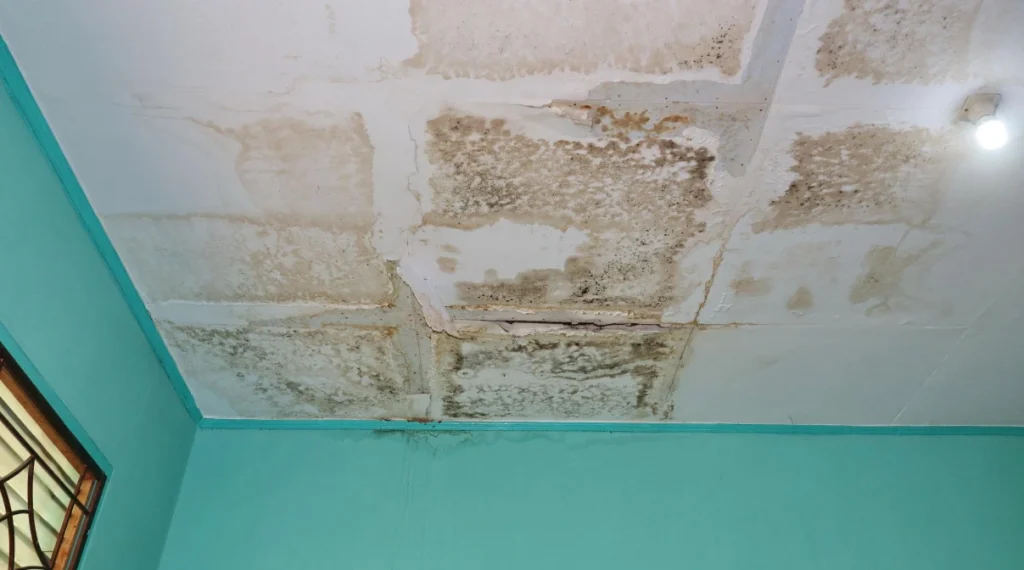
Why Roof Leaks Cause Ceiling Mold
Roof leaks introduce moisture into hidden areas of the home where airflow is limited.
Water may enter through:
- Damaged shingles
- Flashing failures
- Ice dams
- Cracked roof vents
- Chimney gaps
- Clogged gutters
- Aging roofing materials
Once moisture enters ceiling materials, mold spores begin growing on damp surfaces like drywall, wood framing, and insulation.
Homes throughout Ann Arbor and older Michigan neighborhoods are especially vulnerable because many properties experience aging roof systems and winter weather damage.
Mold Often Develops Before Water Damage Becomes Visible
One of the biggest dangers of roof leaks is that mold often develops long before homeowners notice ceiling stains.
Moisture can remain trapped above ceilings for weeks or months while mold spreads behind drywall and insulation.
Hidden mold commonly develops in:
- Attic spaces
- Ceiling cavities
- Insulation materials
- Wooden roof framing
- Around recessed lighting
- HVAC ductwork
Many homeowners only discover the problem after musty odors or visible discoloration appear indoors.
Common Signs of Ceiling Mold After Roof Leaks
Ceiling mold is not always immediately visible.
Homeowners should watch for:
- Water stains on ceilings
- Bubbling paint
- Peeling drywall
- Soft ceiling materials
- Musty odors
- Ceiling discoloration
- Sagging drywall
- Increased allergy symptoms indoors
Persistent moisture after storms or winter snow melt often indicates hidden roof leak damage.
Winter Weather Increases Roof Leak Risks in Michigan
Michigan winters create severe roofing stress because of:
- Heavy snow accumulation
- Ice dams
- Freeze thaw cycles
- Condensation inside attics
- High indoor humidity
Ice dams are especially common in Ann Arbor, Saline, and Canton during freezing winter conditions. When melting snow refreezes near roof edges, water can back up beneath shingles and leak into ceilings.
Homes near the University of Michigan and older residential areas often experience attic condensation and roof moisture problems during winter months.
Attic Moisture Can Spread Mold Into Ceilings
Roof leaks frequently affect attic insulation and roof decking before visible ceiling damage develops.
Warm humid indoor air rising into cold attic spaces can worsen moisture conditions and accelerate mold growth.
Signs of attic related ceiling mold include:
- Wet insulation
- Rusted nails
- Mold on roof decking
- Condensation in attic spaces
- Water dripping from rafters
- Strong musty odors
Poor attic ventilation allows moisture to remain trapped for extended periods.

Skylights and chimneys are common roof leak locations because flashing materials may deteriorate over time.
Leaks around these areas often cause mold growth on:
- Ceiling corners
- Drywall seams
- Wood trim
- Insulation surrounding openings
Older homes throughout Dexter, Chelsea, and Ypsilanti frequently develop hidden moisture around roof penetrations.
Why Ceiling Mold Affects Indoor Air Quality
Mold growing above ceilings can release airborne spores into living spaces.
Exposure may contribute to:
- Sneezing
- Nasal congestion
- Eye irritation
- Asthma flare ups
- Chronic coughing
- Respiratory discomfort
The Environmental Protection Agency explains that indoor mold exposure may trigger health symptoms in moisture affected environments.
Structural Damage Caused by Roof Leak Mold
Long term moisture exposure can weaken structural materials inside ceilings and attics.
Common structural problems include:
- Rotting wood framing
- Damaged insulation
- Sagging ceilings
- Drywall deterioration
- Electrical hazards
- Ceiling collapse risks
Ignoring roof leak mold often leads to more expensive repairs over time.
Why Older Homes Develop Ceiling Mold Faster
Older homes throughout Ann Arbor, Ypsilanti, Chelsea, and Pittsfield Township are especially vulnerable because many contain:
- Aging roofing systems
- Poor attic ventilation
- Outdated insulation
- Older flashing materials
- Hidden moisture damage
- Previous roof repairs
Historic homes often experience recurring roof leak problems during seasonal weather changes.
Professional Ceiling Mold Inspection Process
Professional mold inspections help identify hidden moisture and contamination before severe structural damage develops.
Inspectors commonly use:
- Infrared thermal cameras
- Moisture meters
- Hygrometers
- Attic inspections
- Air quality testing equipment
Thermal imaging can help detect hidden moisture behind ceilings and inside insulation materials.
How Ceiling Mold Is Removed After Roof Leaks
Professional mold remediation focuses on both moisture removal and contamination cleanup.
Roof Leak Repair
The moisture source must be repaired before mold removal begins.
Containment
Affected ceiling areas are isolated to prevent mold spores from spreading.
Removal of Damaged Materials
Contaminated drywall, insulation, and ceiling materials may require removal.
Air Filtration
HEPA air scrubbers help improve indoor air quality during remediation.
Structural Drying
Specialized drying equipment removes trapped moisture from ceilings and attic spaces.
Cleaning and Sanitization
Surfaces are cleaned and treated to reduce residual contamination.
How to Prevent Ceiling Mold After Roof Leaks
Preventing ceiling mold requires routine roof maintenance and moisture control.
Inspect Roofs Regularly
Check for damaged shingles, flashing issues, and roof deterioration.
Address Leaks Quickly
Repair roof leaks immediately before moisture spreads into ceilings.
Improve Attic Ventilation
Proper airflow reduces condensation and trapped humidity.
Monitor Ceiling Stains
Even small water stains may indicate hidden roof damage.
Clean Gutters
Blocked gutters increase the risk of water intrusion near roofing systems.
Remove Snow Buildup Carefully
Heavy snow accumulation can contribute to ice dam formation.
You should contact a professional if you notice:
- Ceiling water stains
- Persistent musty odors
- Sagging ceilings
- Visible mold growth
- Roof leak damage
- Worsening indoor allergy symptoms
- Recurring ceiling discoloration
Early remediation helps prevent severe structural damage and indoor air quality problems

Final Thoughts
Ceiling mold after roof leaks is a common problem in Michigan homes because seasonal storms, winter snow, attic condensation, and aging roofing systems create ideal conditions for hidden moisture buildup. Homes throughout Ann Arbor, Ypsilanti, Saline, Dexter, Chelsea, Canton, and nearby communities are especially vulnerable during freezing winters and heavy rainfall periods.
The best way to prevent ceiling mold is to repair roof leaks quickly, improve attic ventilation, control indoor humidity, and monitor ceilings for early signs of moisture damage. Professional mold remediation and structural drying help protect indoor air quality, ceiling materials, and long term property safety.